
A voice for the land in the marketplace.
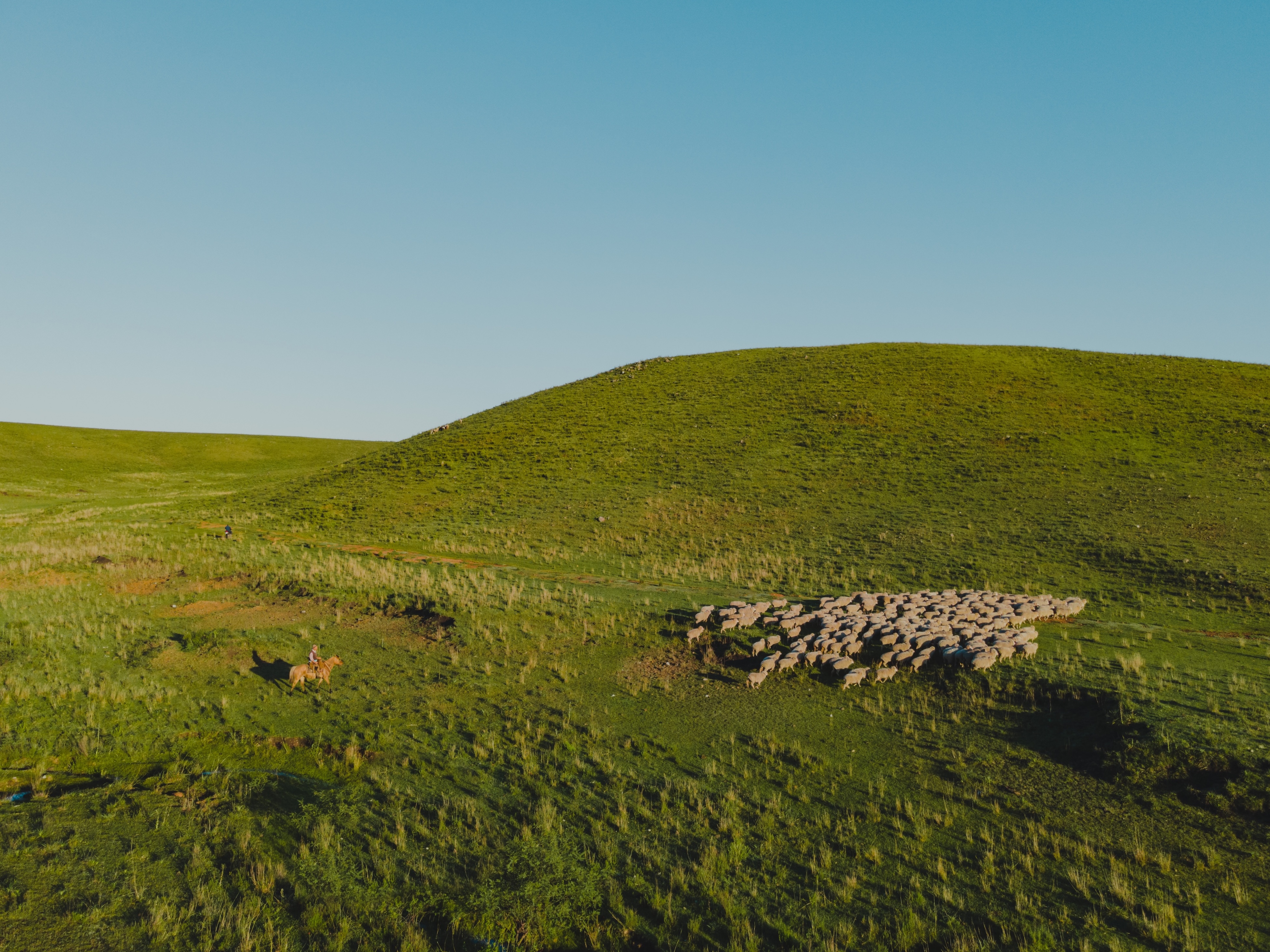
Credit: Engraw

How We Work

Land to Market was built to make one thing possible — regenerative claims you can actually stand behind.

Outcome based verification
We believe regenerative claims must be backed by empirical evidence. Savory's EOV protocol provides robust, field-level data on soil health, carbon, water, and biodiversity — the science behind every verified product.
Full Supply Chain Traceability
A verified farm is just the start. We track supply from land to shelf through our Chain of Custody process — documenting transactions at every stage so brands can make claims consumers and retailers can trust.
Global and
Scalable
From New Zealand wool to Iowa dairy — Land to Market works across commodities, climates, and continents. Our network of hubs makes verification possible wherever regenerative producers are working.
Ecological outcome verification
Ecological Outcome Verification (EOV) is a science-based monitoring protocol developed by the Savory Institute to measure whether land is genuinely improving. Rather than certifying management practices, EOV goes directly to the source — trained monitors collect field-level data across each verified landbase, annually. That data is then assessed against a trajectory of ecological improvement. Only land that demonstrates positive outcomes is eligible for Land to Market verification. It's how we ensure that claims are backed by real evidence.
Who we serve

Land to Market works with every part of the supply chain - from producers on the land to consumers at the shelf - across meat, dairy, wool, leather, and more.

Producers

Producers are integral to our mission.

Land to Market works to support the global community of land managers and the network of hubs on their regenerative journey. The Savory Institute has trained over 20,000 farmers, ranchers, and pastoralists and influenced the management of over 30 million hectares of grasslands through Holistic Management (HM) and Holistic Planned Grazing.

Get Started

Suppliers

Suppliers are key to designing regenerative value chains.

From sourcing raw materials to transforming them into finished goods, suppliers play a critical role in building regenerative value chains. By aligning with Land to Market, suppliers help ensure that every step of production honors the land and supports regeneration.

Get Started

Brands

Brands are catalysts for regenerative change.

Today’s leading brands are stepping up to drive meaningful impact. By sourcing ingredients and materials verified through Land to Market, brands become powerful advocates for regeneration—connecting consumer demand to positive outcomes on the land.

Get Started

Retailers

Retailers can give the land a voice in the marketplace.

As the final link between products and people, retailers have the power to champion regenerative choices. By stocking and spotlighting Land to Market Verified products, they empower customers to shop in alignment with their values—and support a healthier planet.

Get Started

Consumers

Look for the Land to Market Seal.

Consumers can vote with their dollar by purchasing verified products from brands who are supporting regenerative agriculture. The Land to Market Verified seal is one that consumers can trust, knowing their purchase contributed towards a regenerative future for us all. Our directory of verified brands and products is coming soon, watch this space!

Verified Land to Market Seal - Blue
Kalona SuperNatural
For Phil Forbes and Kalona SuperNatural, joining Land to Market was both a strategic bet and a values call. Four years in, pasture productivity is up and farmers are seeing their land — and their future — differently.

"When you show a farmer a new way of doing what they've always done, it takes time. But once they see the results, the joy is seeing the lights go on — and the possibilities expand, not just for them, but for their families and future generations."

For Phil, this is what sustainability actually means — not a label, but a systems shift. And the proof is in the pasture.
Atkins Ranch
Seven years into Land to Market, 79% of the sheep farmers supplying Atkins Ranch are now verified — and for Pat Maher, that number says everything about what the program makes possible.

"Our farmers see themselves as stewards of the land. Working this way empowers them to determine what's best for their individual farms while leaving the land, water, and climate healthier and more resilient."

The seal has also proven its value where it matters most — at the point of sale.

"Our customers are willing to pay a premium for regenerative products. It's a proud moment knowing we're putting more money back in our farmers' pockets."
Grass Fed Costa Rica
Diego Trejos built Grass Fed Costa Rica around a conviction that food should nourish people and restore land at the same time. When a Savory Hub was established in Costa Rica, he finally had a path to EOV monitoring and Land to Market verification.

For Diego, the seal means more than market credibility — it's proof that the work happening on the land is real and measurable. From a small country, with a big mission.

"The seal is a testament to what we do — and it makes us proud that a third party can verify improvements that fight climate change, improve animal welfare, and nourish people."
ALEXANDRE FAMILY FARM
For the Alexandre family, regenerative farming isn't driven by certification — it's a deeply held value. When they went looking for a program that could verify what they were already doing, Land to Market stood out for one reason: it uses real data to show what's actually happening on the land.

"Savory's Land to Market was one of the initial players and one that shared true data on how our farms were doing for soil and plant health parameters." - Vanessa Nunes

That commitment to soil health and plant nutrition flows directly into the quality of what they produce.
Engraw
When Federico Raquet set out to meet growing customer demand for regenerative origin products, he didn't take the easy route. He surveyed four to five programs in depth before choosing Land to Market — because in a space full of ambiguous claims, he wanted the most objective and scientifically proven system he could find.

"Given the openness of the term 'regenerative,' I decided to go to the most objective and scientifically proven system I found — and that was Land to Market."
Piacenza
Piacenza's commitment to regeneration runs deeper than compliance — it's embedded in how they understand their role in the supply chain. When they went looking for a program that could make that commitment concrete and measurable, Land to Market was the answer.

"Land to Market allows us to measure and certify our commitment in a concrete and transparent way."

For Ettore Piacenza, the seal that reaches consumers carries real weight.

"That seal is more than a label. It's a promise that our values and actions are visible and trusted — connecting our work in the fields to the hands of those who appreciate authenticity."
Open Farm Pet
When Open Farm committed to advancing regenerative agriculture across one million acres by 2030, they needed verification that could match that ambition — rigorous, outcomes-based, and flexible enough for the reality that every farm starts from a different place.

"Land to Market's outcome-based verification gives us confidence that our sourcing supports measurable improvements in ecosystem health and resilience."

For Anne Malleau, the seal does what most sustainability labels can't — it keeps brands accountable to the claims they make.